
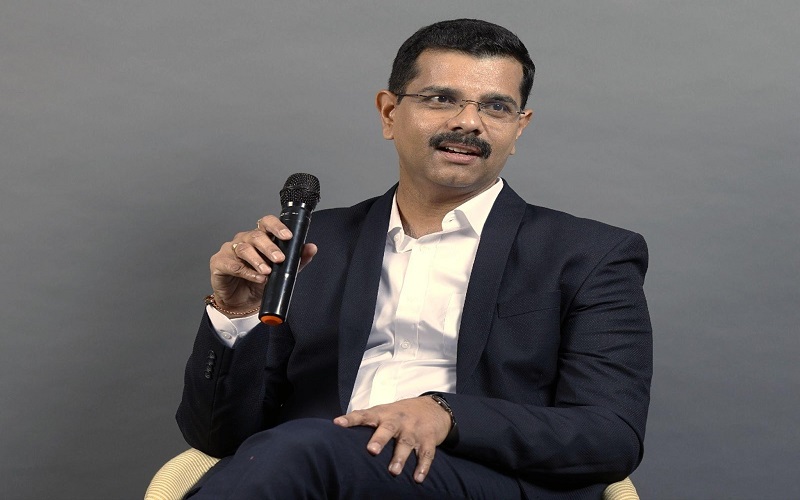
By Kumbham Srinivas Reddy, State Convener Media & Communication.
Hyderabad, Telangana, 6 Mar 2026: We live in an age where technology is no longer a luxury, it is woven into every part of our lives. From the moment we wake up to the alarm on our phone to the last scroll before sleep, screens accompany us through work, education, relationships and recreation. Digital tools have empowered us in extraordinary ways, yet they have also quietly begun to shape our habits, attention and even our emotions.
The question before us is not whether technology is good or bad. It is far more important to ask: Are we in control of our digital lives, or are our digital lives controlling us?
Technology has undeniably made life easier. A student in a small town can access a world-class education online. A farmer can check weather updates and market prices in real time. Families separated by distance can stay connected at the touch of a screen. These are powerful gains and we must acknowledge them with gratitude.
However, alongside these benefits, a silent imbalance is emerging. Excessive screen time, constant notifications and the pressure to stay “always online” are affecting how we think, sleep and interact with one another. Many of us feel mentally tired even without physical work. Children are spending more time on devices than in play. Conversations at home are often interrupted by phone alerts. These are not dramatic changes but slow ones and therefore more dangerous.
Digital fatigue is becoming a common experience. Endless scrolling often replaces meaningful rest. Social media, while connecting us, can also create unrealistic comparisons and emotional stress. The line between work and personal life has blurred, making it harder to truly switch off. Over time, this affects mental well-being, relationships and productivity.
The solution does not lie in rejecting technology, but in using it mindfully.
Real balance begins with awareness. Simple steps can make a meaningful difference. Setting specific times to check messages instead of responding instantly. Keeping phones away during family meals. Encouraging children to balance screen time with outdoor activities, reading or creative hobbies. Even small habits like avoiding screens an hour before sleep can improve rest and mental clarity.
For working professionals, digital discipline is equally important. Clear boundaries between work hours and personal time help reduce burnout. Using technology as a tool rather than allowing it to dictate our schedules can restore focus and efficiency. Employers, too, play a role by respecting personal time and promoting healthy digital practices.
Parents face a unique challenge in raising children in a digital-first world. Instead of strict bans, guidance and example work better. When children see adults practicing balanced digital habits, they naturally follow. Conversations about online safety, responsible usage and emotional well-being are essential in today’s households.
Communities and institutions also have a role to play. Schools can integrate digital literacy alongside academic learning, teaching not just how to use technology, but how to use it wisely. Workplaces can encourage offline breaks and human interaction. Society as a whole must recognise that mental well-being is as important as digital advancement.
Technology should serve human progress, not replace human connection. A message cannot replace a conversation. A like cannot replace genuine appreciation. A screen cannot replace shared laughter, silence or empathy.
As we move forward in an increasingly connected world, let us choose balance over excess, mindfulness over habit, and human connection over constant connectivity. When we learn to pause, disconnect and reflect, we regain control, not just over our devices, but over our time, attention and lives.
A truly modern society is not defined by how connected it is digitally, but by how grounded it remains humanly.
For regular updates, follow us on
• Facebook: https://www.facebook.com/TPCCKSR
• Instagram: https://www.instagram.com/srinivas.r.kumbham
• Twitter: https://x.com/Srinivas_KReddy
